
Key Takeaways
- BSN application deadlines at Kansas schools span several months, so checking each program’s specific window well in advance helps avoid missed opportunities
- Minimum GPA benchmarks at Kansas BSN programs generally fall between 2.7 and 2.75, but meeting the minimum is only the starting point for a competitive application
- Prerequisite coursework rules vary by school, including how many credit hours are required and when those courses must be finished before the program starts
- Admission to a nursing program can stay highly competitive, meaning minimum requirements alone do not guarantee an interview or acceptance
- Gathering transcripts, résumés, and test records early can prevent last-minute scrambling once an application window opens
Applying to a prelicensure BSN program in Kansas takes more than good grades and genuine interest in patient care. Each school sets its own deadlines, GPA cutoffs, and prerequisite rules, and missing one small detail can push an application to the following year. Understanding these moving pieces early gives prospective students room to plan coursework, gather documents, and submit a complete, competitive application.
Why Timing Your Application Matters
Nursing programs do not operate on a single shared calendar. Some schools open applications many months before the term starts, while others accept materials right up until a few weeks before classes begin. A student who assumes every program works the same way risks submitting prerequisites too late or missing a priority window that affects how soon a decision arrives.
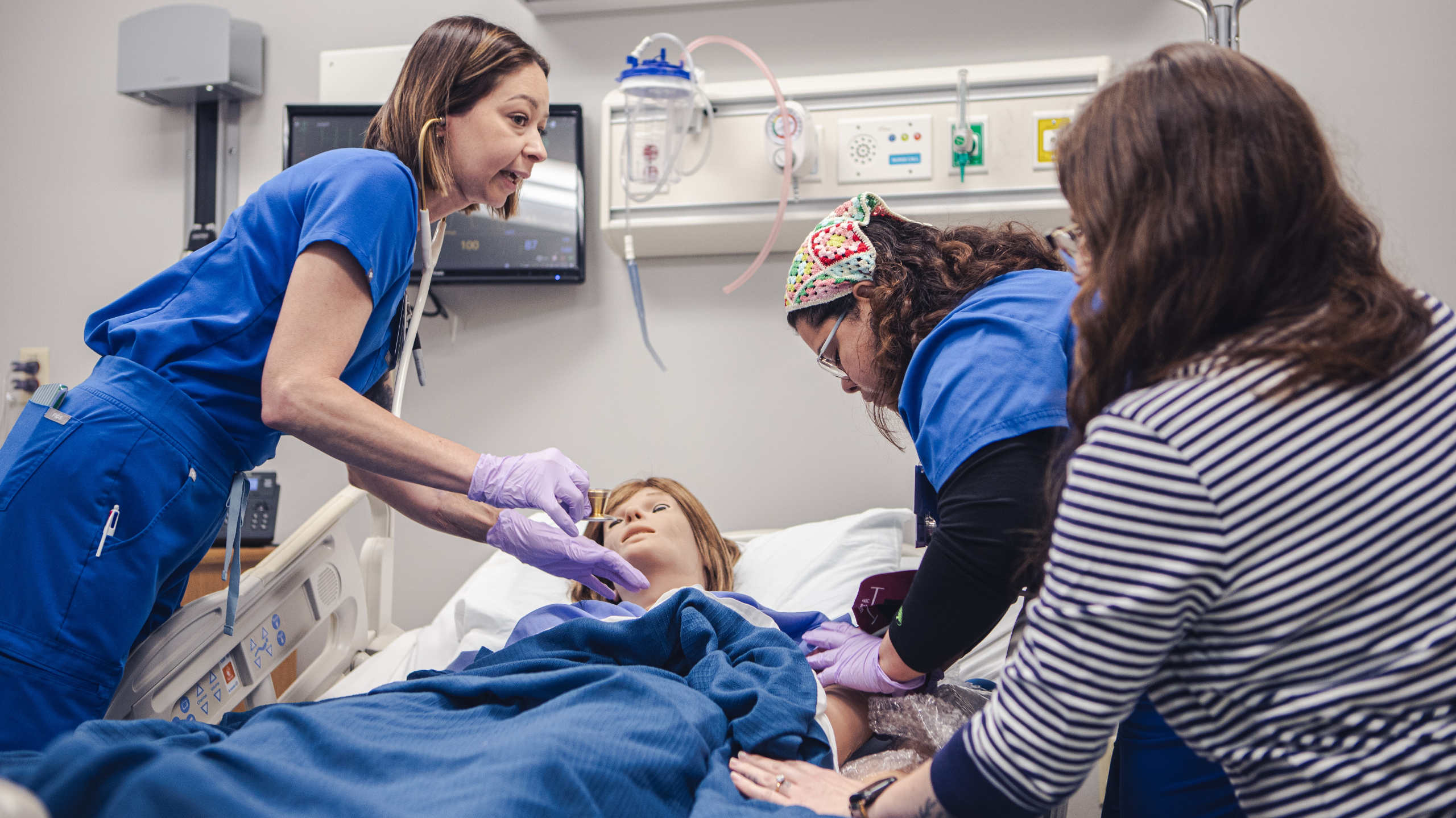
Planning backward from a target start date is one of the most reliable ways to avoid this problem. Working out which semester prerequisites need to be finished, when transcripts must be requested, and how long a decision typically takes allows applicants to build a realistic timeline instead of reacting to deadlines as they appear. Newman University provides a Bachelor of Science in Nursing program in Wichita that emphasizes building clinical judgment skills, so understanding program timing matters just as much as mastering the required science courses.
Kansas BSN Deadlines Vary Widely
Across Kansas, BSN application windows open and close at noticeably different points in the academic year. Lining up these dates side by side shows how much planning ahead can matter.
University of Kansas: August 1-December 15
For fall entry into the University of Kansas on-campus BSN program, priority applications are accepted starting August 1 through November 1, with the final deadline falling on December 15. Students who submit during the priority window typically have more time before enrollment to address any outstanding requirements, while those applying closer to the December cutoff have less room for error if something needs correcting.
Wichita State: December 1-January 15
Wichita State’s fall-start BSN application window runs from December 1 to January 15, with admission notifications sent by March 15. This later opening date means applicants have a shorter runway between when applications open and when they close, making early preparation especially valuable.
Washburn: September 1-December 1
Washburn’s Fall 2027 BSN application period runs from September 1 to December 1, with supporting documents due by January 15. This structure separates the application deadline from the document deadline, so applicants need to track two distinct dates rather than one.
GPA and Prerequisite Rules Differ By School
GPA requirements and prerequisite expectations are not uniform across Kansas nursing programs, and small differences can affect whether an application even gets reviewed.
Minimum GPA Benchmarks Across Kansas Programs
GPA minimums among Kansas BSN programs tend to cluster close together, though the exact number differs by school:
- University of Kansas requires a minimum GPA of 2.75 to apply to its on-campus BSN program.
- Washburn requires a minimum cumulative GPA of 2.7 on a 4.0 scale for BSN admission eligibility.
- Wichita State requires a minimum overall GPA of 2.75 for BSN applicants.
These numbers represent the floor for eligibility, not a guarantee of admission. A GPA that clears the minimum simply allows an application to move forward for further review.
Prerequisite Hours and Completion Timelines
Prerequisite rules go beyond GPA and also touch how many credit hours are needed and when they must be completed. Washburn applicants must finish 30 hours of prerequisite coursework, including at least 8 hours of science coursework, before they are eligible to apply. University of Kansas students typically enter after completing 60 semester credit hours of prerequisite work at an accredited college or university. Wichita State applicants may have no more than 6 credit hours of general education or electives remaining when the nursing program begins, and beginning with its Spring 2027 application cycle, fall-entry applicants must complete all prerequisite courses by the end of the spring semester before starting the program.
These timing rules matter because prerequisite sequencing often takes longer than students expect. A single missed science course can delay an application by an entire academic year, so mapping out prerequisite coursework early, ideally with an academic advisor, helps keep a nursing school timeline on track.
Why Nursing Admission Stays Competitive
Meeting every minimum requirement does not automatically open the door to a nursing seat. Nursing programs in Kansas and nationwide typically receive more qualified applicants than they have space to admit, which keeps the process selective even for students with strong transcripts. Admission to a nursing program is highly competitive, and successfully meeting minimum requirements does not guarantee an interview or acceptance.
This reality shapes how applicants should approach the process. Viewing GPA and prerequisite checklists as an entry ticket to a larger pool of equally prepared candidates, rather than as a finish line, sets realistic expectations. Strong academic performance in prerequisite science courses, thoughtful application materials, and a clear sense of why nursing fits a student’s goals can all help an application stand out within that competitive pool.
Gathering Materials Before You Apply
A complete application file usually includes more than an online form. The University of Kansas, for example, requires a résumé, official transcripts from all colleges and universities attended, and applicable AP, IB, or CLEP records alongside its online BSN application. Other Kansas programs ask for similar supporting documents, though exact requirements vary by school.
Requesting materials early avoids a common bottleneck: transcripts and test records often take weeks to process, especially when multiple institutions are involved. Building in extra time for these requests, rather than waiting until a deadline is close, reduces the risk of a late or incomplete submission. Confirming prerequisite course equivalencies with an advisor well before submitting transcripts also helps, since a course that looks equivalent on paper may not always satisfy a specific program’s requirement.
Sequencing University and Nursing Applications
Applying to a BSN program in Kansas usually involves two separate steps: admission to the university itself, and a later or simultaneous application to the nursing program specifically. Students sometimes assume these are the same process, which can lead to missed deadlines if the university application closes before the nursing-specific materials are ready.
Working out this sequence ahead of time prevents confusion. It helps to confirm whether a target school requires general university admission before the nursing application can be submitted, or whether both can be completed together. Checking this detail directly with each program’s admissions office, well before the application window opens, removes guesswork and keeps both applications moving on schedule.
Where a BSN Can Lead
A Bachelor of Science in Nursing opens doors to a wide range of career paths beyond traditional bedside care. Career pathways for nursing graduates include wound care, hospice, home health administration, case management, and travel nursing, reflecting the variety of settings where BSN-prepared nurses can build a career. Some graduates continue on to advanced study in areas like nurse practitioner programs or clinical nurse specialist roles, while others pursue specialized clinical work such as flight nursing after gaining experience in intensive care settings. This range of options is part of what makes early, careful planning worthwhile: the prerequisite courses and GPA benchmarks completed today are the foundation for a career path that can stretch in many directions later. Students planning to pursue professional nursing credentials outside Kansas should contact the credentialing board in the state where they live or plan to work, since program approval in one state does not automatically transfer to another.
Start Checking Requirements Now, Not Later
The details covered here, deadlines, GPA minimums, prerequisite hours, and required materials, change from year to year and from school to school. Confirming current information directly with each program, rather than relying on last year’s numbers, is the safest way to build an accurate application timeline. Starting this research months before an application window opens gives students enough runway to finish prerequisite coursework, gather transcripts, and submit a complete, well-timed application.
For students ready to take that next step, reviewing prelicensure BSN admission requirements early can help turn a complicated process into a manageable plan.
Newman University
3100 McCormick
Wichita
Kansas
67213
United States


