XINGTAI, HEBEI, CHINA, November 4, 2026 /EINPresswire.com/ — Top 5 Chemicals from a Chinese Chemical Manufacturer: Which Xingfei Product Fits Your Needs?
Choosing a reliable Chinese chemical manufacturer involves more than comparing prices. Product quality, technical specifications, consistent supply, and application compatibility all influence purchasing decisions.
For distributors and industrial buyers, the first decision is selecting the right chemistry. Trichloroisocyanuric Acid (TCCA) and Sodium Dichloroisocyanurate (SDIC) release chlorine for disinfection; Cyanuric Acid helps protect chlorine in outdoor pools. Sulfamic Acid is used for descaling, while Melamine Cyanurate (MCA) supports halogen-free flame-retardant polymer formulations.
As an established chemical manufacturer in China, Xingfei Chemical offers these five product families for customers sourcing materials for water treatment, industrial cleaning, and specialty manufacturing. The comparison below highlights their characteristics, practical advantages, applications, and purchasing requirements.
Top 5 Chemicals for Water Treatment and Industrial Applications
The products have distinct functions. Their usable grades and physical forms are more important to a successful order than a single headline specification.
Chemical product | Best-fit application | Key purchasing considerations
Trichloroisocyanuric Acid (TCCA) | Routine pool chlorination and suitable industrial water systems | Available chlorine, tablet/granule form, dissolution and dosing method
Sodium Dichloroisocyanurate (SDIC) | Rapid-dissolving pool treatment and authorized sanitation uses | Anhydrous vs. dihydrate grade, available chlorine and particle size
Cyanuric Acid (CYA) | Outdoor pool chlorine stabilization | Purity, moisture, granule/powder form and pool-water CYA level
Sulfamic Acid | Industrial descaling and cleaning formulations | Assay, contaminants, scale type and equipment compatibility
Melamine Cyanurate (MCA) | Flame-retardant polymer compounds | Particle size, dispersibility, moisture and formulation results
For chlorine dosing, also distinguish the chemical from its delivery form: a compressed tablet behaves differently from a granular product, even when both use the same active ingredient.
1. Trichloroisocyanuric Acid (TCCA): For Long-Lasting Chlorine Disinfection
Trichloroisocyanuric Acid (TCCA, or trichlor) is a solid chlorine-releasing compound used in swimming pools and other approved water-treatment applications. Xingfei offers Trichloroisocyanuric Acid products in several physical forms, including tablets, granules and powder.
Product characteristics and advantages
TCCA 90 typically provides approximately 90% available chlorine. Its concentrated solid form is practical for bulk storage and transport when kept dry and handled according to the Safety Data Sheet. In water, it releases disinfecting chlorine; stabilized chlorine chemistry also introduces cyanurate into the system.
The slower dissolution of compressed tablets is useful where a compatible feeder is intended to supply chlorine over time. Granules and powder offer different handling and formulation options. The actual release rate depends on tablet size, hardness, flow conditions, temperature and equipment design—not just chemical identity.
Typical applications
Residential and commercial swimming pool maintenance using appropriately sized tablets and compatible feeders.
Selected industrial circulating-water disinfection systems with defined chlorine dosing and monitoring requirements.
Chlorine-based sanitation or bleaching formulations where the exact product is permitted for the intended market and end use.
What should bulk buyers check?
For a tablet-based program, confirm effective chlorine content, tablet weight, diameter, hardness, dissolution characteristics and compatibility with the installed dispenser. Our 200 g TCCA 90 tablet is an example of a defined product format; other forms need their own technical specification. Compare the actual product label and batch COA before ordering.
TCCA is relatively acidic in solution, so pH control is part of the treatment program. As stabilized chlorine is used, cyanuric acid may accumulate; outdoor pools need testing rather than unlimited repeated addition.
2. Sodium Dichloroisocyanurate (SDIC): For Fast-Dissolving Disinfection
Sodium Dichloroisocyanurate (SDIC, NaDCC, or dichlor) is a chlorine-releasing disinfectant widely used in pool water treatment and selected industrial or sanitation formulations. Compared with TCCA tablets, SDIC generally has greater water solubility and can release available chlorine more quickly.
Product characteristics and advantages
Commercial grades are not interchangeable. Xingfei lists anhydrous SDIC granules with 60% minimum available chlorine, SDIC dihydrate granules with 55% minimum, and certain dichlor disinfectant tablets with 54% minimum. Values are grade-specific; never compare a dihydrate product with an anhydrous product on product weight alone.
Granules are convenient for applications that require relatively fast dissolution and flexible batch preparation. Tablets, including fast-dissolving or effervescent variants, serve different dosing and packaging needs. Appropriate storage keeps the solid oxidizer protected from moisture and incompatible materials.
Typical applications
Swimming pool and other approved water-treatment applications compatible with the operating program.
Industrial circulating-water disinfection and cleaning formulations requiring relatively rapid chlorine availability.
Approved surface, equipment, textile or aquaculture sanitation applications subject to the correct product label and local regulations.
What should bulk buyers check?
Confirm whether the order calls for anhydrous or dihydrate SDIC, the available-chlorine minimum, granule mesh range, dissolution characteristics, tablet weight if applicable, and suitable moisture-resistant packaging. For formulated products, also check dissolution time, intended contact time and any required market approvals.
TCCA or SDIC is not universally “better.” Choose TCCA tablets when controlled release in an appropriate feeder is the key requirement; consider SDIC where quicker dissolution is operationally useful. Both introduce cyanurate-related compounds, so water chemistry and operating controls still matter.
3. Cyanuric Acid (CYA): For Outdoor Pool Chlorine Stabilization
Sunlight accelerates chlorine loss in uncovered outdoor pools. Cyanuric Acid (CYA, also called isocyanuric acid or pool stabilizer) helps limit that loss by reducing ultraviolet-driven degradation of chlorine. Unlike TCCA and SDIC, CYA itself is not a primary disinfectant.
Product characteristics and advantages
Xingfei supplies Cyanuric Acid stabilizer as a white powder or granule, with a listed minimum CYA content of 98.5%. Granular and powdered formats allow distributors to serve different packaging and application preferences. As CYA is only slightly soluble in water, dissolution and application methods need to be considered.
Typical applications
Outdoor residential pools and commercial aquatic facilities using stabilized chlorine programs.
Pool-chemical formulations and distribution ranges supplied alongside chlorine disinfectants.
Specialty chemical synthesis where the requested CYA grade is appropriate for the downstream process.
What should bulk buyers check?
Verify assay, moisture, impurities, appearance, particle size, packaging integrity and the intended use. For pool applications, monitor existing cyanuric acid concentrations before adding more; excess CYA can reduce chlorine disinfection efficiency. The CDC pool-care recommendations distinguish chlorine monitoring when stabilizer is present and advise against using CYA-containing products in hot tubs.
A distributor selling both stabilized chlorine products and standalone CYA should explain how the two interact, rather than promoting stabilizer as an independent sanitizer.
4. Sulfamic Acid: For Industrial Descaling and Cleaning
Sulfamic Acid (CAS 5329-14-6) is a solid acid used in industrial cleaning and specialty chemical formulations. Its main value in maintenance is its ability to react with many mineral scale deposits. It has a different function and storage profile from chlorine-based disinfectants.
Product characteristics and advantages
Sulfamic Acid is supplied as a solid crystalline material that can be incorporated into suitable aqueous descaling formulations. Compared with handling some liquid mineral acids, a solid product can offer practical transport and preparation advantages; however, its concentration, contact time and corrosivity still need to be managed.
Scale removal depends on what the deposit contains. Calcium carbonate scale may respond differently from silica-rich or mixed deposits. The cleaner must also be compatible with the equipment metals, seals and surface finishes. Some systems require corrosion inhibitors and controlled testing before full-scale cleaning.
Typical applications
Removal of compatible mineral scale from boilers, heat exchangers, cooling equipment and industrial piping.
Manufacture of descaling products, specialty detergents and other acidic cleaning formulations.
Selected metal-surface preparation or industrial processing applications after verifying the process specification.
What should bulk buyers check?
For our Sulfamic Acid, specify assay, moisture, sulfate or other relevant impurities, packaging format and cleaning requirements. A technical evaluation should cover scale composition, the system materials, water conditions, target concentration, temperature, exposure time and discharge requirements.
Critical safety rule: never mix Sulfamic Acid or acid-based cleaning products with TCCA, SDIC, bleach or other chlorine disinfectants. Dangerous chlorine-containing gases may be released. Keep acidic cleaners physically segregated from oxidizers in storage and handling, and follow the relevant SDS.
5. Melamine Cyanurate (MCA): For Halogen-Free Flame-Retardant Applications
Melamine Cyanurate (MCA, CAS 37640-57-6) is a nitrogen-containing, halogen-free flame-retardant additive for polymer compounds. It is not a pool chemical, a water-treatment chemical or a substitute for Cyanuric Acid. The main application is modifying selected polymer formulations, especially nylon-based materials.
Product characteristics and advantages
Xingfei offers Melamine Cyanurate flame-retardant products in white powder form. MCA can support halogen-free flame-retardant formulation goals, and its value for compounders lies in the balance between thermal behavior, dispersion and the intended end-product properties.
Particle size matters: poor distribution or agglomeration can affect surface finish, consistency and mechanical performance. Moisture and polymer-processing temperature also influence results. A grade suitable for one PA6 formulation may not give the same performance in PA66, reinforced nylon or another resin system.
Typical applications
Flame-retardant PA6 and selected PA66 formulations for molded engineering-plastic components.
Electrical and electronic plastic parts where a compatible, tested halogen-free system is required.
Specialty polymer compounds or composites validated for the selected resin and processing conditions.
What should bulk buyers check?
Request a technical sheet and representative sample, then review particle-size distribution, whiteness or appearance where important, moisture, dispersibility and thermal behavior. Establish processing and testing requirements with the compounder. Flame performance—including any UL 94 classification—must be demonstrated on the final formulation at its specified thickness; MCA alone does not guarantee a rating.
What Should Buyers Look for in a Chinese Chemical Manufacturer?
A competitive quotation is only one part of reliable sourcing. The buyer also needs a specification that fits the application, quality evidence that matches the delivered batch, and packaging that will protect the chemical through international transport.
Product specification: Define chemical identity, grade, available chlorine or assay, particle size, tablet characteristics and other application-specific performance requirements.
Quality documents: Ask for the applicable Technical Data Sheet (TDS), Safety Data Sheet (SDS) and a batch-specific Certificate of Analysis (COA).
Manufacturing consistency: Review raw-material inspection, in-process checks, final product testing and batch traceability.
Packaging and logistics: Confirm moisture protection, compatible containers, labels, hazardous-goods declarations where applicable and the shipment method.
Regulatory fit: Verify whether the individual product, label, claim and intended use meet the rules of the destination market. A general factory certificate does not authorize every chemical application.
For chlorine products, available chlorine and moisture are central; for MCA, the dispersion and final compound test matter more than chlorine-related values. A single generic COA cannot replace an application-specific specification.
Why Choose Xingfei as Your Chemical Manufacturing Partner in China?
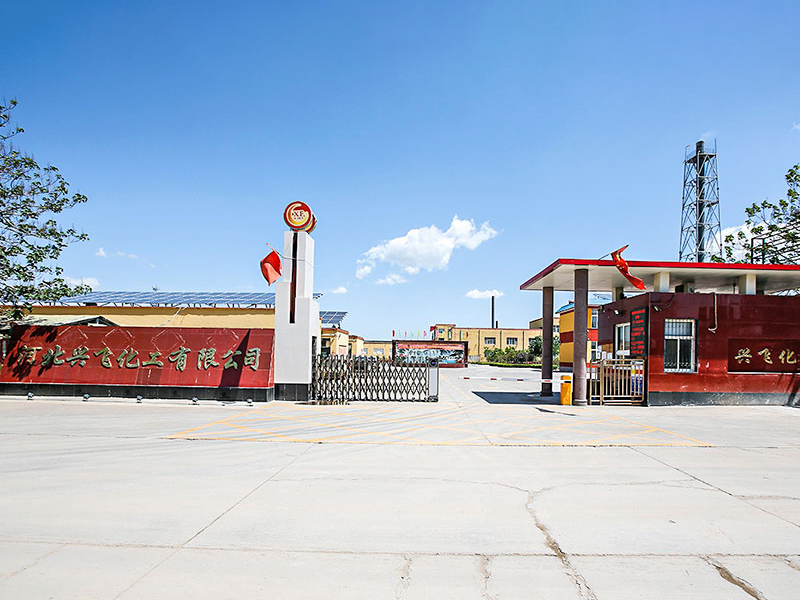
Founded in 2009, Hebei Xingfei Chemical Co., Ltd. specializes in chlorine-based water treatment chemicals and supplies complementary products for industrial cleaning and polymer applications. Our portfolio includes TCCA, SDIC, Cyanuric Acid, Sulfamic Acid and Melamine Cyanurate.
Our manufacturing controls include raw-material inspection, in-process checks, finished-product testing and batch record retention. Buyers can review our quality control procedures when evaluating consistency across orders.
Bulk purchasing also depends on presentation and shipment requirements. We offer suitable packaging options and OEM/private-label arrangements for applicable products, with attention to moisture protection, container strength, labels and transport conditions.
With customers in more than 70 countries and regions, we understand that documentation, packaging and export coordination form part of the purchase—not an afterthought. The practical objective is to match the correct chemical grade and physical form to a repeatable procurement specification.
Frequently Asked Questions About Products and Bulk Orders
1. What is the difference between TCCA and SDIC?
Both are stabilized chlorine-releasing chemicals. TCCA typically has about 90% available chlorine and is commonly supplied as slower-dissolving tablets; SDIC is more water-soluble and is offered in anhydrous, dihydrate and tablet grades with different available-chlorine specifications. Selection depends on dosing method, speed of dissolution, water chemistry and local approvals.
2. Does Cyanuric Acid disinfect pool water?
No. Cyanuric Acid is a chlorine stabilizer, not a primary sanitizer. It helps reduce sunlight-driven chlorine loss in outdoor pools, but adequate free chlorine and pH still need to be monitored. Too much CYA can impair disinfection performance.
3. Can MCA be substituted for Cyanuric Acid?
No. Melamine Cyanurate is a flame-retardant additive for selected polymer formulations, while Cyanuric Acid is commonly used as a chlorine stabilizer. They are chemically and commercially different products with different qualification requirements.
4. Is there a minimum order quantity for international purchases?
Yes. International orders are subject to a minimum order quantity (MOQ). The applicable quantity should be confirmed for the requested chemical, grade, physical form and packaging configuration before a quotation is issued.
5. Can you provide customized packaging or private-label products?
OEM and private-label packaging options are available for suitable products. The exact bottle, drum, bag, label and tablet-format requirements are reviewed according to the product’s physical properties, transport classification, order quantity and destination market.
6. What quality and export documents can buyers request?
We can provide relevant documentation, including Certificates of Analysis or Conformance, Certificates of Origin and other export papers where required. Buyers should specify whether they also need an SDS, TDS, packing details or destination-specific compliance documents for the actual grade and shipment.
7. What is the typical sample and mass-production lead time?
Our general ordering FAQ lists approximately seven days for samples and 20–30 days for mass production after receipt of the deposit and final product approval. Product-specific shipping schedules can differ, so confirm the production and dispatch dates in the quotation.
8. What determines prices and shipping costs?
Prices depend on the product grade, available chlorine or assay, order quantity, packaging and prevailing supply conditions. Freight depends on shipment weight, route, transport method and hazardous-goods requirements, where applicable. Sea freight may suit large orders, while express or air transport can be more expensive and may be restricted for some chemicals.
9. What information should be included in a request for quotation?
To receive a meaningful offer, include the chemical name, intended application, required grade and specifications, quantity, preferred packaging, destination country or port, expected delivery window, and documentation needs. For MCA or industrial descaling materials, add relevant process and compatibility requirements.
Find the Right Chemical Solution with Xingfei
Select TCCA or SDIC for appropriate chlorine disinfection, Cyanuric Acid for outdoor pool stabilization, Sulfamic Acid for industrial descaling, or MCA for compatible flame-retardant polymer formulations. Contact Xingfei Chemical: https://www.xingfeichemical.com/ with your grade, quantity, packaging and destination requirements to request a quotation.
Xingfei
Xingfei
Legal Disclaimer:
EIN Presswire provides this news content “as is” without warranty of any kind. We do not accept any responsibility or liability
for the accuracy, content, images, videos, licenses, completeness, legality, or reliability of the information contained in this
article. If you have any complaints or copyright issues related to this article, kindly contact the author above.

Media gallery