
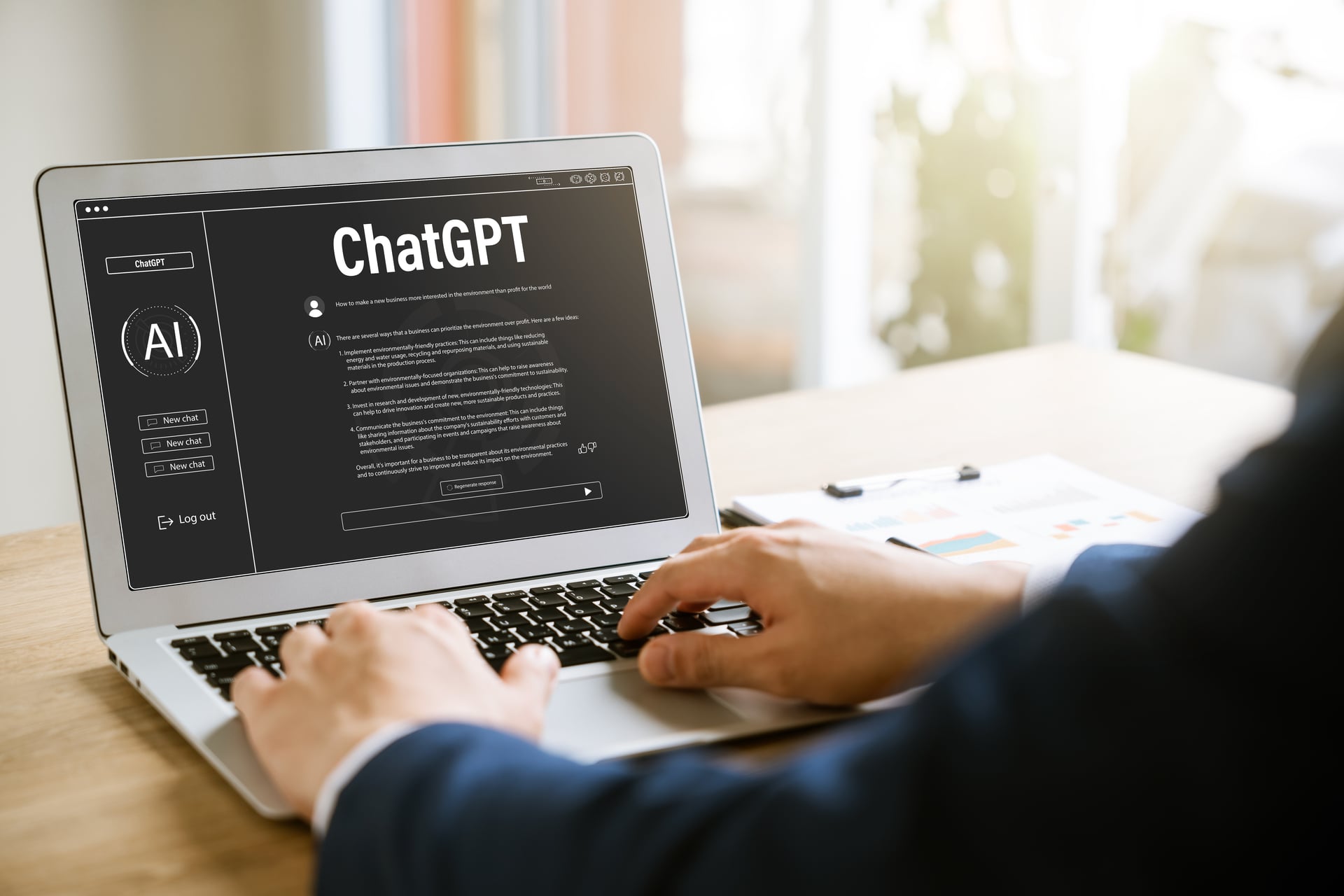
A business can perform well in Google Search results for years and still go unmentioned when a customer asks ChatGPT for a recommendation. This gap is becoming more noticeable as more people turn to AI tools during the early stages of researching a purchase or service, and it often surprises companies that have invested heavily in traditional search engine optimization.
How AI Search Tools Find and Evaluate Businesses
AI assistants such as ChatGPT do not operate independently of the existing web. They rely on crawled web content, structured data, and third-party sources such as directories and review platforms to determine what a business does, where it operates, and whether it is a credible option to recommend. Google has stated that its AI-powered search features are built on the same underlying ranking and quality systems used in traditional search, meaning a page generally still needs to be indexed and eligible to appear in standard search results before it can surface in an AI-generated answer.
Technical Foundations Still Matter
Before content or messaging comes into play, a website has to be technically accessible. Experts from Ruby Shore explain that pages blocked from crawling, broken navigation, slow load times, or content that fails to render properly can prevent both traditional search engines and AI systems from correctly interpreting a site. Businesses sometimes assume that AI visibility requires an entirely separate strategy, when in many cases the more immediate issue is a technical one that also affects standard search performance.
Vague Website Content Creates Blind Spots
AI tools depend on clear, specific language to match a business to a customer’s question. A website that describes its offerings in broad terms, such as general statements about quality or experience without naming specific services, industries served, or geographic coverage, gives an AI system little to work with. This is especially common among businesses with several distinct service lines that are compressed onto a single page. Without clearly separated, detailed descriptions, an AI assistant may struggle to determine whether a business actually offers what a customer is asking about.
Inconsistent Information Confuses AI Systems
AI platforms often cross-reference multiple sources to evaluate a business, including its website, business listings, and third-party directories. When a business’s name, address, phone number, or service descriptions differ across these sources, it becomes harder for an AI system to confirm basic facts with confidence. Structured data, such as schema markup describing a business’s location and services, can help, but only when it accurately reflects the information already visible on the site. Structured data that contradicts visible content is more likely to create confusion than clarity.
Credibility Signals Influence AI Recommendations
Documented expertise, customer reviews, certifications, and mentions in outside sources such as industry publications or local directories all contribute to how AI systems assess a business’s credibility. A company with real experience but no visible evidence of it, such as case studies, detailed project descriptions, or third-party recognition, may be harder for an AI system to recommend with confidence, even if the underlying work is strong. At the same time, publishing large volumes of generic content that does not reflect direct expertise can dilute rather than strengthen a site’s credibility.
Where to Start
Businesses concerned about AI visibility do not need to overhaul their entire online presence at once. A reasonable starting point is auditing whether a website is fully crawlable and indexed, whether its service pages describe offerings with enough specificity, and whether business information matches across the website, business listings, and directories. Addressing these fundamentals often improves both traditional search performance and the likelihood of appearing in AI-generated recommendations, since the two are increasingly connected rather than separate concerns.
Ruby Shore Software
randall@rubyshore.com
+13186250860
800 North Spring Street
Suite 210
Shreveport
LA
71101
United States


