
Key Takeaways
- Vinyl fencing outperforms wood on the Mississippi Gulf Coast thanks to its resistance to salt air, humidity, UV rays, rot, and pests – making it a smart long-term investment for coastal homeowners.
- Four main vinyl fence styles (privacy, picket, ranch rail, and lattice) each serve different purposes, from maximum backyard seclusion to open boundary marking on large lots.
- Over a 20-year period, vinyl fencing can cost 50-75% less than wood when maintenance and replacement expenses are factored in.
- Mississippi Gulf Coast cities generally cap residential fence heights at 6 feet in backyards and 4 feet in front yards; knowing this before building saves time, money, and headaches.
Choosing a fence isn’t just about drawing a property line. It’s about privacy, curb appeal, security, and making a choice that holds up for years without costing a fortune in upkeep. For homeowners along the Mississippi Gulf Coast, that decision almost always leads back to one material: vinyl. The climate here is punishing: salt-laced air, intense summer humidity, and UV exposure that can age a wood fence in just a few seasons.
But vinyl handles all of it without breaking a sweat. If fences could sweat, that is. According to the Gulf Coast specialists from Can’t Be Beat Fence, the material’s resistance to moisture and pests makes it one of the few fencing options built to last in this climate without constant upkeep.
Vinyl Outperforms Wood on the Gulf Coast
Wood has been the default fencing material for generations, and it’s easy to understand why. It’s familiar, widely available, and carries a certain natural charm. But on the Gulf Coast, wood fencing faces conditions it wasn’t built to handle long-term.
Moisture seeps into the grain, causing warping and rot. Humidity encourages mold and mildew growth. Termites and other wood-boring pests find their way in. And the intense Mississippi sun bleaches and cracks the surface within a few years, requiring repainting or staining just to keep things looking decent.
Vinyl, by contrast, is made from PVC; a dense, non-porous material that doesn’t absorb moisture, doesn’t attract insects, and doesn’t rot. It won’t warp under heat or swell after heavy rain. And unlike wood, it doesn’t need to be painted, stained, or sealed. A rinse with soap and water is typically all it takes to keep it looking sharp season after season.
That combination of durability and low maintenance is exactly why vinyl has become one of the go-to choices for residential fencing along the Gulf Coast.
Vinyl Fence Styles Explained
Not all vinyl fences look (or function) the same. There are four main styles that Gulf Coast homeowners tend to choose from, each designed with a specific purpose in mind. Understanding what sets them apart makes the selection process much easier.
1. Privacy Fences: Maximum Seclusion & Security
Privacy fences are exactly what they sound like: tall, solid panels installed close together to block the view from outside. They’re built with closely spaced vertical boards (sometimes with no gaps at all), creating a continuous barrier that keeps the backyard truly private.
This style is a natural fit for families with young children or pets, homeowners who live on busy streets, or anyone who simply wants to step outside without feeling like they’re on display. The seamless panel design doesn’t just block sightlines; it also reduces noise and creates a more enclosed, intimate feel in outdoor living spaces like patios and pools.
2. Picket Fences: Curb Appeal Without Isolation
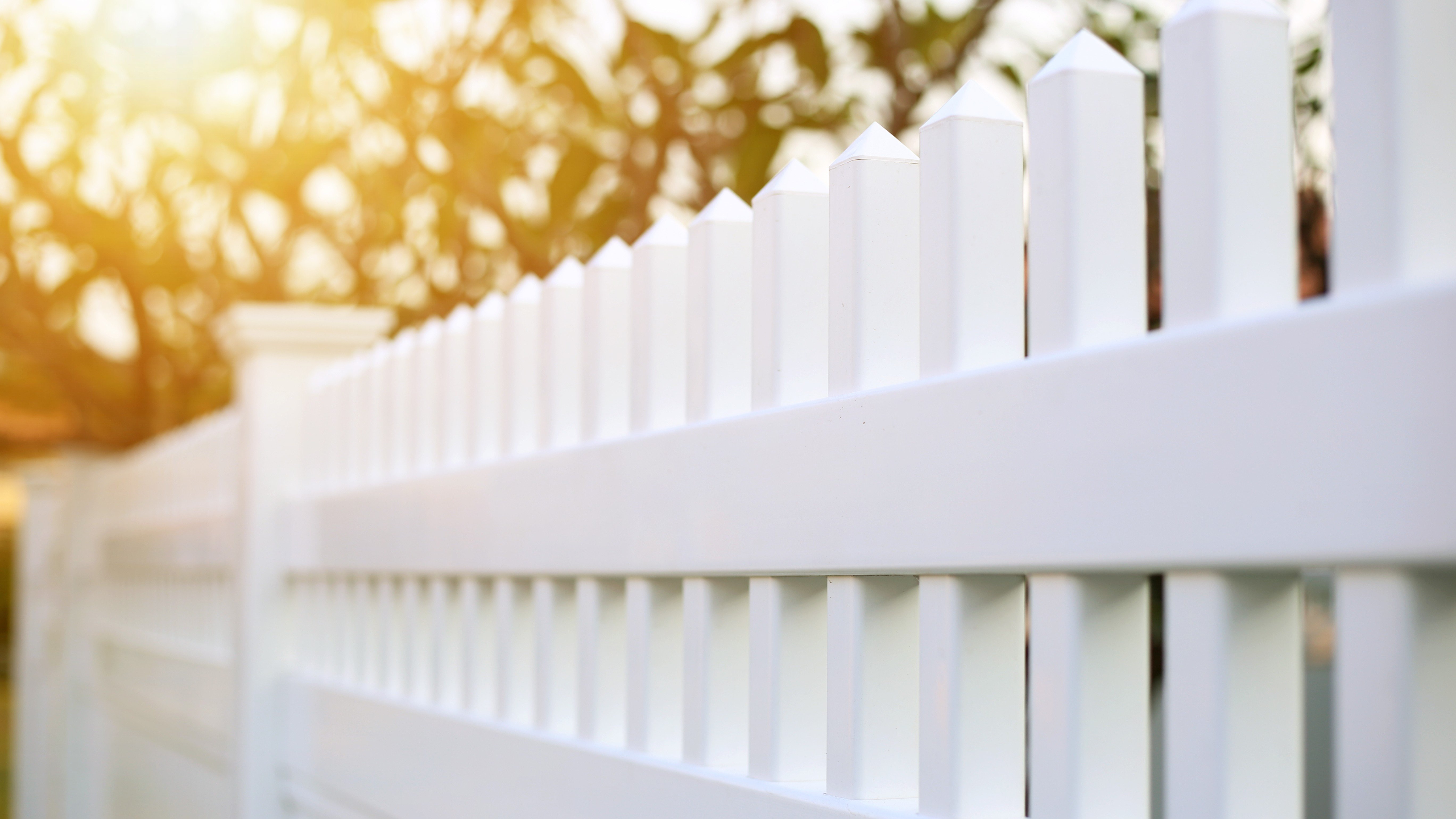
The classic picket fence carries a lot of visual weight; it’s practically synonymous with the idea of a welcoming, well-kept home. In vinyl, that classic look gets a modern upgrade: the same charming rows of evenly spaced vertical boards, but without the peeling paint and rotting posts that come with wood versions over time.
Picket fences are designed for visibility and openness. The spacing between boards lets neighbors and passersby see in, which makes them a popular choice for front yards where the goal is to define the property and add charm rather than create a barrier. They’re also commonly used around garden beds, walkways, and decorative landscaping areas where a light, airy boundary feels more appropriate than a solid wall.
3. Ranch Rail Fences: Open Boundaries for Large Lots
Ranch rail fencing takes a completely different approach. Instead of vertical boards designed to block or define, this style uses horizontal rails (typically two, three, or four of them) running between sturdy posts. The result is a fence that marks a boundary without creating a wall.
Originally designed for agricultural use, ranch rail fences are ideal for properties with large open lots, rural settings, or homeowners who want to contain pets or define the perimeter without obstructing the view. They give expansive yards a clean, structured look while preserving the sense of space that makes large properties feel open and natural.
4. Lattice Fences: Decorative Partial Privacy
Lattice fences offer something different from the other three styles: a balance between openness and decoration. The crisscrossing strips of vinyl form a repeating diamond or square pattern that’s visually distinctive — more ornate than a picket fence, more open than a privacy fence.
They’re often used as accent fencing around patios, garden spaces, or pool enclosures, where the goal is to define an area with some visual interest rather than seal it off completely. Climbing plants like jasmine or bougainvillea (both popular in coastal Mississippi) take beautifully to lattice fencing, growing up and through the pattern to create a lush, natural look.
The Real Cost Advantage Over Time
Vinyl fencing often carries a higher upfront cost than basic wood fencing, and that’s worth acknowledging honestly. But the total cost of ownership over time tells a very different story.
Wood fences require regular maintenance – painting or staining every few years, replacing boards that rot or warp, treating for pests, and patching sections damaged by weather. Those costs add up quickly, often running into hundreds or thousands of dollars over a decade. Research comparing vinyl and wood fencing over a 20-year period consistently shows that vinyl can be 50-75% cheaper than wood when maintenance and replacement expenses are factored in alongside the initial installation cost.
There’s also the value side of the equation. A vinyl fence that looks as good in year fifteen as it did in year one contributes positively to a home’s curb appeal and perceived value. A wood fence in the same timeframe (if not diligently maintained) can become a liability, dragging down first impressions and requiring disclosure as a maintenance issue during a home sale. Vinyl’s style options, color consistency, and long-term durability make it a genuine asset rather than a depreciating cost center.
For Gulf Coast homeowners planning to stay in their homes long-term, then, that distinction matters.
Mississippi Fence Height Rules to Know
Before any fence project moves forward, understanding local regulations is a necessary first step. Mississippi cities generally follow consistent residential fencing guidelines, though specific rules can vary by municipality. Checking with the local planning or zoning office before installation is always the right call.
Here’s what most Gulf Coast homeowners can expect:
- Backyard fences are typically permitted up to 6 feet in height, which accommodates most privacy fence styles comfortably.
- Front yard fences are generally limited to 4 feet in height, making picket and ranch rail styles natural front-yard fits.
- Vinyl is an approved fencing material across residential zones in Mississippi, so material choice isn’t a regulatory concern.
- Corner lots and visibility triangles – areas near intersections – may have additional height restrictions to maintain driver sightlines. Always confirm this before installing near a corner.
- HOA rules, where applicable, may layer additional requirements on top of city codes, including restrictions on fence color, style, or height. Review HOA guidelines independently of municipal codes.
Familiarity with regional regulations means fewer surprises during permitting and inspection, and it helps ensure that the fence selected (both in height and style) will clear all required approvals without delays.
Where Professionals Come In
Selecting the right vinyl fence style comes down to understanding the property, the purpose, and the local environment — and all three factors point toward vinyl as the clear winner for Gulf Coast residential fencing. Whether the goal is a solid privacy fence for a backyard retreat, a charming picket fence along the front walk, or open ranch rail fencing across a large lot, there’s a vinyl style designed for exactly that need.
A contractor familiar with the coastal climate, local regulations, and the specific demands Gulf Coast properties place on fencing materials tends to make the difference between an installation that holds up and one that doesn’t.
Can’t Be Beat Fence
+1-228-255-9040
Mississippi 53
Perkinston
Mississippi
39573
United States


